Environment & Energy Solutions
Achieving Both Regulatory Compliance and Profit Maximization
As Revlontec's domestic partner in Japan,
we provide retrofit package solutions
for the shipping industry's zero-emission era.Our goal is not merely regulatory compliance,
but to achieve integrated energy design
that maintains and enhances the future value of vessels.
Stricter regulations on the Engineering Efficiency Index (EEXI) have mandated improvements in fuel efficiency for existing vessels. Conventional, simple engine power limitations alone are proving insufficient, leading to decreased operational efficiency and impacts on schedules. Therefore, fundamental energy-saving measures are required. Moving forward, the introduction of more advanced technologies to review the overall energy efficiency of vessels will be essential. The Carbon Intensity Indicator (CII) is an index that evaluates CO₂ emission efficiency based on actual operational data, and continuously rates the environmental performance of ships. A decline in the rating rank affects charter contracts and cargo selection, directly leading to a decrease in commercial value and profitability. Therefore, continuous and strategic CO₂ reduction measures, including daily operations, are important, rather than one-off measures. In future ship operations, the key will be not just the introduction of individual technologies, but "integrated optimization" that combines multiple energy-saving and decarbonization technologies. Specifically, this involves combining ESD (energy-saving add-on devices), shaft power generation systems, power optimization through inverter control, wind-assisted propulsion, ORC (organic Rankine cycle), and CO₂ capture technologies to enhance energy management for the entire ship. This will not only comply with regulations but also simultaneously achieve improved fuel efficiency, cost reduction, and enhanced environmental value.
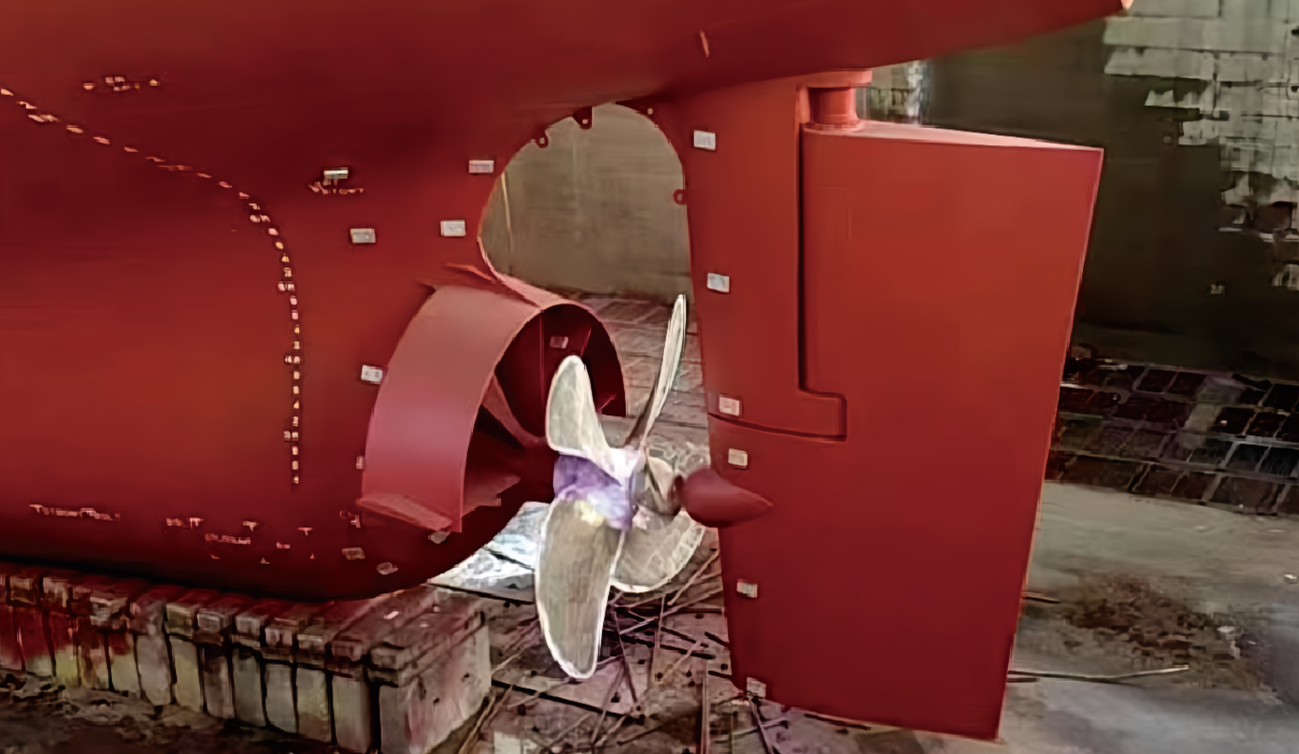
This maintenance-free, highly efficient solution optimizes the stern flow field using advanced CFD analysis, controlling the flow to the propeller through rectification, acceleration, and rotation, thereby suppressing energy losses such as vortices, backflow, and hub vortices, and maximizing propulsion efficiency without changing the main engine output. By optimally combining propeller rematching, Pre-Shrouded Vanes (PSV), Hub Vortex Absorbed Fins (HVAF), Rudder Bulbs (RB), etc., it achieves energy savings of 4% to 14% depending on the hull type. It also contributes to improvements in EEXI (Energy Efficiency Design Index) and CII (Carbon Strength Evaluation of Ships).
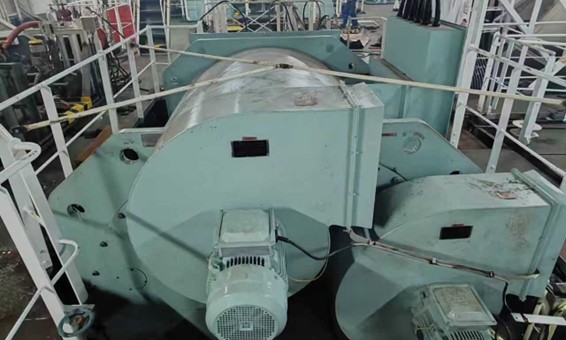
This power generation device is integrated into the propulsion system of a ship and converts the mechanical energy obtained from the rotation of the main engine into electrical energy. By effectively utilizing the output of the main engine during voyages, it reduces the operating time and load of auxiliary generators, thereby improving the efficiency of onboard power supply and optimizing energy management. This contributes to reducing fuel consumption for power generation, lowering CO₂ emissions, and controlling maintenance costs, and is generally expected to reduce the overall fuel consumption of the ship by approximately 3-8%.
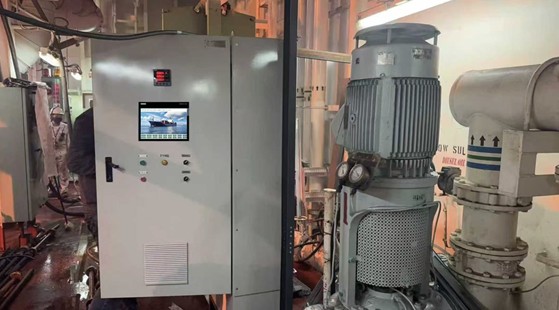
This highly efficient motor control system receives real-time signals such as temperature and pressure as feedback and continuously controls the output frequency and voltage of the AC power supply to achieve optimal motor speed control according to load conditions. In auxiliary equipment such as pumps, fans, and compressors, it eliminates energy losses caused by conventional damper control and valve throttling control, and by performing variable speed operation according to the required output, a power reduction of 50-80% can generally be expected. Furthermore, by reducing starting current, optimizing torque control, and reducing mechanical stress, it contributes to suppressing equipment wear and extending maintenance cycles. Combining high efficiency, high-precision control, and stable operation, the VFD system is an energy-saving solution applicable to a wide range of marine applications, both new and existing.
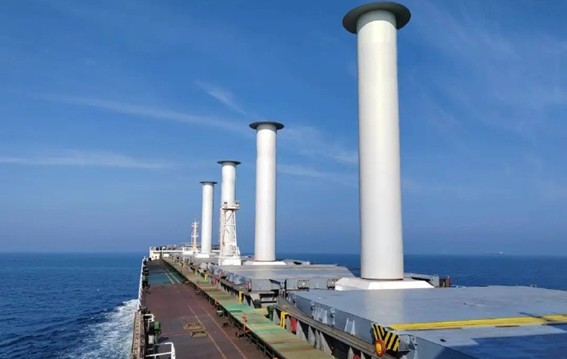
This is an effective decarbonization technology that reduces fuel consumption and CO₂ emissions by utilizing natural wind energy as propulsion and reducing the load on the main engine. Methods include rotor sails (Magnus effect), wing sails (lift utilization), and kite systems (high-altitude wind utilization), and a fuel reduction of approximately 5-20% can be expected depending on the route and wind conditions. It is particularly effective for long-distance, steady-running vessels such as bulk carriers and tankers, contributing to compliance with EEXI and CII regulations and the achievement of GHG reduction targets, as well as reducing operating costs and improving CII ratings in the face of rising fuel prices. It is attracting attention as a next-generation propulsion solution that optimizes the energy management of the entire vessel.
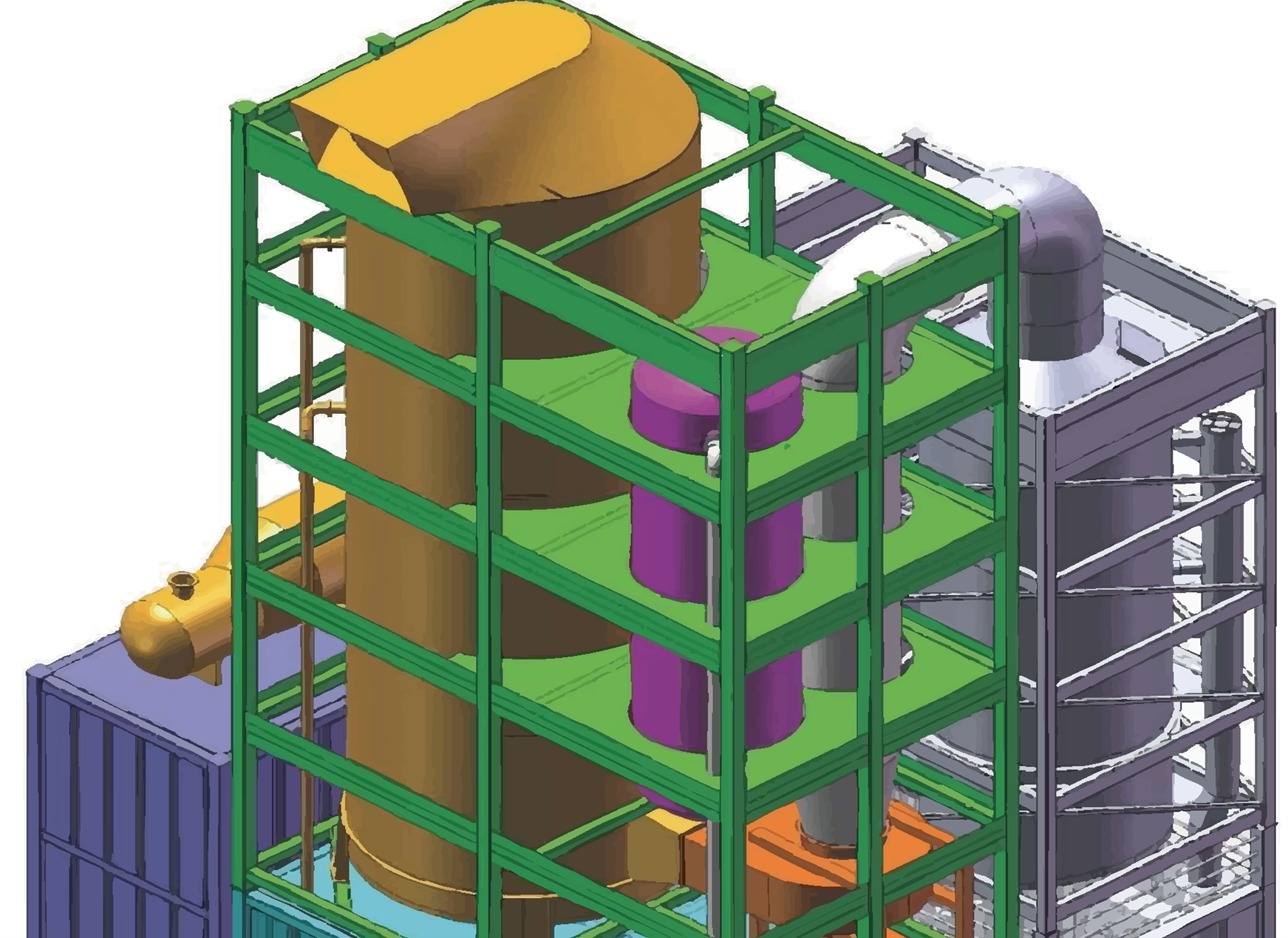
This advanced decarbonization solution effectively blocks atmospheric release by separating and recovering CO₂ contained in the exhaust gas of marine main and auxiliary engines on board a ship using a chemical absorption method, compressing and liquefying it, storing it on board, and unloading it at port. By integrating with existing EGCS (exhaust gas cleaning systems), a two-stage configuration is achieved in which the EGCS pre-treats the exhaust gas by removing SOx and PM, and then the OCCS recovers CO₂ with high efficiency, achieving both effective utilization of existing equipment and optimization of the overall system's energy. It does not require fuel conversion and can be retrofitted to conventional fuel and LNG fuel ships, supporting reliable compliance with international environmental regulations, including improvement of the CII (Carbon Intensity Indicator), by reducing CO₂ by up to approximately 90%. Furthermore, by collaborating with onshore storage projects, it enables the transition to a zero-emission society while maintaining the asset value of existing ships, making it a leading technology that combines effectiveness and economic rationality.
Fukusuke Kiko supports enhanced ship value and sustainable shipping through reliable performance delivery via its integrated EPC system and energy optimization tailored to actual operations.Why is an integrated approach necessary now?
EEXI
CII
Required Solutions
Integrated energy solutions
Hydrodynamic energy-saving devices (ESDs)
Shaft Generator(SG)
Variable Frequency Drive(VFD)
Wind Assisted Propulsion
Onboard Carbon Capture System(OCCS)
Creating next-generation ship value with integrated energy
✔ Complete service from design to construction
✔ Realization of reliable energy saving effect
✔ Globally compatible