
Environment & Energy Solutions
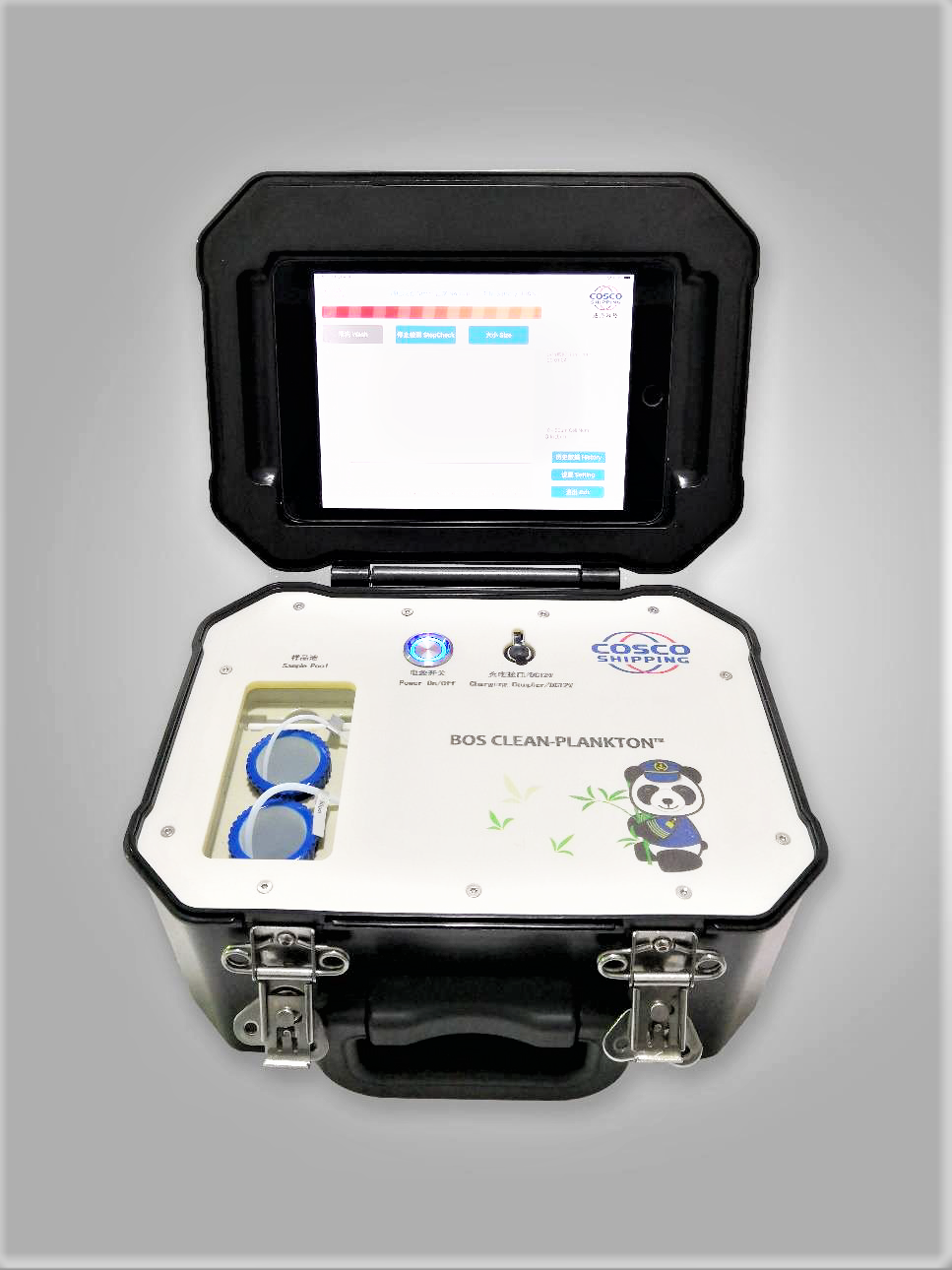
Five years have passed since the entry into force of the IMO Convention on the Control and Management of Ships' Ballast Water. In the future, as type certification of ballast water treatment systems raises concerns about whether they can kill/inactivate harmful aquatic organisms and pathogens contained in ballast water, this system is expected to be used as a means of self-inspection to ensure smooth port entry and departure. This system uses analytical methods based on the IMO D-2 standard and can quickly determine microorganisms through a simple test.
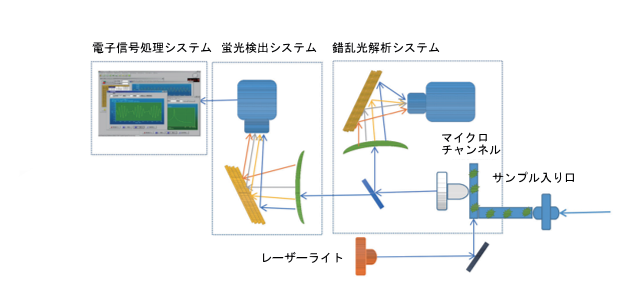
The FDA pulse counting method is a technique that converts the fluorescent signal emitted from each living cell stained by the FDA into individual electrical signals and detects them as pulses. Signals exceeding a certain threshold are recognized as living organisms, and each peak indicates a living cell. By counting the number of pulses per 1 mL of sample water, the number of living cells can be measured with high accuracy.
This technology can simultaneously detect both phytoplankton and zooplankton, overcoming the limitations of conventional methods and equipment.
We create a special buffer: increasing cell staining rate to 99% and reaching a device detection limit of 1 cell/ml.
To avoid complex sample preparation such as concentration and separation, we use an automated system that identifies organisms larger than 10 microns
A unique analysis algorithm for fluorescence intensity has been developed, achieving a photoelectric signal acquisition accuracy of 99%.